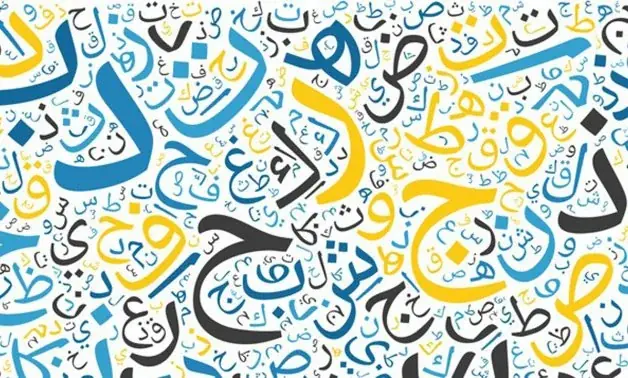
Arabic is one of the richest and most widely spoken languages in the world. What makes it unique is its dual nature: Modern Standard Arabic (MSA / Fusha) used in formal contexts, and a wide range of spoken dialects used in daily life—especially Egyptian Arabic.
Modern Standard Arabic (Fusha)
Modern Standard Arabic is the formal version of the language. It is used in:
- Books and education
- News and media
- Official communication
- Most written content across the Arab world
Fusha is consistent across all Arab countries, which means a speaker from Morocco can understand a speaker from Iraq when using formal Arabic.
It is structured, rule-based, and essential for reading, writing, and academic communication.
Egyptian Arabic (The Most Understood Dialect)
Egyptian Arabic is one of the most widely understood dialects in the Arab world due to Egypt's strong influence in cinema, music, and media.
It is used in:
- Daily conversations
- Movies and TV shows
- Social media and informal communication
Because of its simplicity and widespread exposure, many learners choose Egyptian Arabic as their first spoken dialect.
Pro Tip
Many learners start with Egyptian Arabic as their first spoken dialect because it is the most widely understood across the Arab world due to Egypt's influence in cinema and media. Pair it with Fusha for reading and writing to build full fluency.
Differences Between Fusha and Dialects
While Fusha is formal and structured, dialects are more flexible and natural in speech.
For example:
- Fusha: ماذا تفعل؟
- Egyptian Arabic: بتعمل إيه؟
- Fusha: أنا أريد أن أذهب
- Egyptian Arabic: أنا عايز أروح
Despite the differences, the core meaning remains the same.
Why Learn Both?
Learning both Modern Standard Arabic and a dialect like Egyptian Arabic gives you a complete advantage:
- Fusha helps you read, write, and understand formal content
- Egyptian Arabic helps you communicate naturally in daily life
- Together, they create full fluency and cultural understanding
Conclusion
Arabic is not just one language—it is a system of formal and spoken varieties that work together. Mastering both Modern Standard Arabic and Egyptian Arabic allows you to move confidently between formal communication and real-life conversation.
For learners, this combination is the most effective way to achieve true fluency in Arabic.
العربية هي إحدى أغنى اللغات وأكثرها انتشارًا في العالم. ما يجعلها فريدة هو طبيعتها المزدوجة: العربية الفصحى الحديثة المستخدمة في السياقات الرسمية، ومجموعة واسعة من اللهجات المحكية المستخدمة في الحياة اليومية — خاصة المصرية.
العربية الفصحى الحديثة (الفصحى)
العربية الفصحى الحديثة هي النسخة الرسمية من اللغة. تُستخدم في:
- الكتب والتعليم
- الأخبار والإعلام
- التواصل الرسمي
- معظم المحتوى المكتوب في العالم العربي
الفصحى موحدة عبر جميع الدول العربية، مما يعني أن متحدثًا من المغرب يمكنه فهم متحدث من العراق عند استخدام العربية الرسمية.
هي منظمة وقائمة على القواعد، وضرورية للقراءة والكتابة والتواصل الأكاديمي.
اللهجة المصرية (الأكثر فهمًا)
المصرية هي إحدى أكثر اللهجات فهمًا في العالم العربي بسبب التأثير القوي لمصر في السينما والموسيقى والإعلام.
تُستخدم في:
- المحادثات اليومية
- الأفلام والبرامج التلفزيونية
- وسائل التواصل الاجتماعي والتواصل غير الرسمي
بسبب بساطتها وانتشارها الواسع، يختارها كثير من المتعلمين كثاني لهجة محكية.
نصيحة احترافية
يبدأ كثير من المتعلمين بالمصرية كثاني لهجة محكية لأن الأكثر فهمًا عبر العالم العربي بسبب تأثير مصر في السينما والإعلام. اقرنها بالفصحى للقراءة والكتابة لبناء طلاقة كاملة.
الفروق بين الفصحى واللهجات
بينما الفصحى رسمية ومنظمة، اللهجات أكثر مرونة وطبيعية في الكلام.
على سبيل المثال:
- الفصحى: ماذا تفعل؟
- المصرية: بتعمل إيه؟
- الفصحى: أنا أريد أن أذهب
- المصرية: أنا عايز أروح
رغم الفروق، يبقى المعنى الأساسي نفسه.
لماذا تتعلم اللغتين معاً؟
تعلم العربية الفصحى الحديثة ولهجة مثل المصرية يمنحك ميزة كاملة:
- الفصحى تساعدك على القراءة والكتابة وفهم المحتوى الرسمي
- المصرية تساعدك على التواصل بشكل طبيعي في الحياة اليومية
- معًا، يخلقان طلاقة كاملة وفهمًا ثقافيًا
الخاتمة
العربية ليست لغة واحدة فقط — بل هي نظام من الأصناف الرسمية والمحكية التي تعمل معًا. إتقان العربية الفصحى الحديثة والمصرية معًا يسمح لك بالتحرك بثقة بين التواصل الرسمي والحادثة الحقيقية.
للمتعلمين، هذه التركيبة هي الطريقة الأكثر فعالية لتحقيق طلاقة حقيقية في العربية.